Six Northwest Cancer Centers' Nurses Nominated for the NW Indiana Times' Nurses: The Heart of Healthcare Awards
March 27, 2026
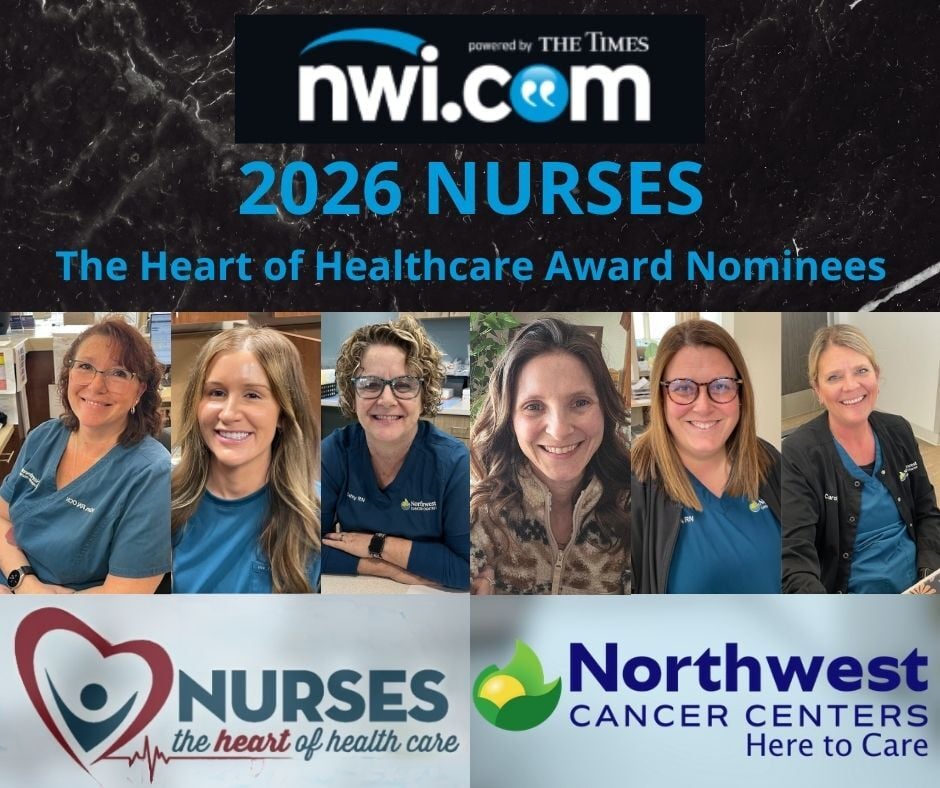
Six infusion nurses at Northwest Cancer Centers (NCC) were nominated from the over 10,000 nurses working in Northwest Indiana as finalists to receive this highly respected award. Annually a committee of healthcare professionals select from the finalists and choose 10 recipients of the "Nurses: The Heart of Healthcare" Award. This year's award winners will be recognized in a special section of the NW Times in May 2026.
"We couldn't be prouder of these nurses. Our entire organization is so grateful for our nursing team. Honestly, it would be hard to find one of our nurses that isn't worthy of this recognition. ", Dr. Shruti Singh. The nurses representing NCC locations in Dyer, Crown Point, Michigan City, and LaPorte, are all known for clinical excellence as well as compassion & being the heart of our healthcare team.
Continue reading to learn a bit more about each of this year's NCC nominees.
Kim Lee, RN is everything that a nurse should be. She has spent nearly her entire career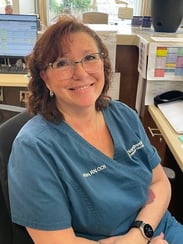 working as an oncology nurse in Northwest Indiana. She is highly knowledgeable and experienced in the field in which she works. She is a leader and an educator to new nurses.
She is a leader in the cancer care community of Northwest Indiana; volunteering with multiple cancer charities in our community. She has served on the committee for the American Cancer Societies, Relay for Life; She has volunteered at multiple fundraisers for the Northwest Cancer Centers Foundation; She has volunteered at the Power's Health Cancer Survivors Day celebration.
Kim serves as the Manager of Infusion Nursing Services at Northwest Cancer Centers. In this roll, Kim is responsible for training new oncology nurses not only in the medical components of providing care, but also in the subtle elements which help patients make it through difficult treatments. Above all of this, Kim is a model of compassion and professionalism when she is with a patient and their families. Her confidence and knowledge combined with her gentle approach towards her patients provides more comfort than can be put into words. Patients request her specifically when they are in for treatment.
Finally, Kim's impact on her patients and their families can be witnessed well beyond the walls of the cancer center. I've personally witnessed patients stop and hug her when they have seen her out at an event. She's attended memorials for patients who have passed; continuing to provide comfort to family members. All of these attributes make Kim the "Heart of Healthcare" the Times was referring to when they created this recognition.
Nearly a decade ago, Dana Moriarty, RN was working as a cardiac nurse in a local hospital when her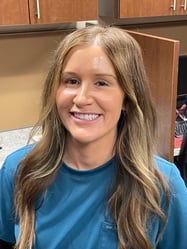 mother was diagnosed with cancer. Dana accompanied her mom to appointments and treatments. She observed the infusion nurses as they built bonds with their patients over time and cared for them through difficult treatments.
Dana knew then that she wanted to change her area of care. Shortly after, she came to work at Northwest Cancer Centers. "I think of my mom and how it felt for my family as she faced cancer. I see every patient and their family through that lens and remembering those feelings. I treat everyone the way a daughter wants their mom to be treated. I don't think of nursing as work. It is not a job to just get done and go home."
When asked to describe Dana, patients and coworkers said, "She's a smiling angel who was made to be a nurse" and "She is always making sure her patients are comfortable, well taken care of, and looked after every moment."
Dana is a perfect example of how a nurse driven by compassion, understanding, and experience can make the lives of those around her better!
Cathy Keen, RN has all the components that make up an exceptional nurse. While she was still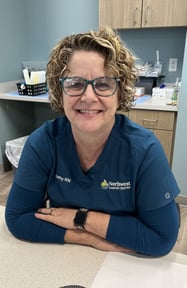
in school, she was drawn to a field where she knew she could make a difference. Cathy has been a nurse in La Porte County for 9 years, caring for patients with cancer for the past 7. She currently assists patients in the infusion clinic at Northwest Cancer Center's LaPorte location. Cathy shared how she became an oncology nurse. "My interest in oncology began during clinicals while in nursing school. I took care of a patient that never told their family about their cancer diagnosis and had refused treatment. The patient was alone in the hospital. I would sit and read to the patient, we would talk and share stories. At that point I realized I wanted to be a helping hand, listening ear, fill whatever void I could fill for oncology patients." Cathy has done all of those things and more!
One trait that stands out to patients is how Cathy asks about them. She listens and acts according to what they tell her. Kathy explained, "As a nurse, active listening is crucial! We need to listen so we can assist our patients to our best ability." It is this trait that has followed Cathy since her nursing school days with that first patient with cancer.
Something that is often overlooked when recognizing an exceptional nurse is how they treat their coworkers. Just as with her patients, Cathy is a listener who supports her fellow nurses, receptionist, doctors, lab techs, and the whole team. She is willing to work at different locations to meet the needs of both her patients and team members. Her flexibility and helpful attitude helps the entire team to provide better care. Cathy loves being a nurse! That is apparent to everyone she works with and cares for!
One of the most rewarding things any healthcare professional can hear is that they made a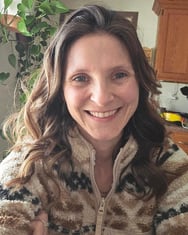 difference in the life of someone who trusts them with their care. For over a decade, Olivia Kabella, RN has been been making a difference in the lives of the patients she cares for. When asked about Olivia, a recent patient said, "(She's)the nicest, and most loving person I have ever met". This sentiment is shared by the hundreds of patients and families whose lives Olivia has touched over the years. A coworker joined in, stating, "Olivia treats all of her patients equally, takes care of them, and treats them like they are her family. She puts patients and friends ahead of herself and makes sure everyone is always smiling and doing ok". These are words that every nurse strives to hear.
Olivia's work as a nurse has primarily been assisting patients with cancer. "Oncology isn't something I planned on working in. But when given the opportunity, I quickly fell in love with it and have a passion for it!"
Olivia believes the key to a nurse/patient relationship is based on trust. "My patients trust me, they know I have their best interest at heart. I try to always be positive and optimistic, and that seems to help patients feel more comfortable going through their difficult cancer treatments." Olivia's knowledge and positivity make an immeasurable impact every day.
Megan Henderson, RN 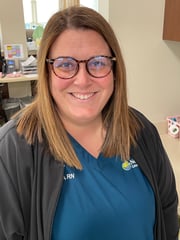 has been an oncology nurse for her entire 18-year career. She has spent the last 5 at Northwest Cancer Centers.
She found her calling to work with patients with cancer while in nursing school. As Megan was completing rotations, she worked on the oncology floor, where she met a young patient who was planning to get married as he laid in his hospital bed. Along with the fellow students, Megan spent her entire clinical rotation planning a wedding. They got flowers, music and even had the hospital chaplain involved. Megan and her fellow nursing students stood up as attendants. It was so rewarding to see the positive impact they could have on the life of someone as they went through such a difficult time. At that time, she decided to work with patients who she could help work through the most difficult situations that may ever face.
Megan believes forming a relationship built on trust is the key to a patient/nurse relationship.
"We meet our patients at one of the most vulnerable times of their life. Being upfront and truthful from the beginning helps to form a bond with my patients. We sometimes have very difficult discussions and while it's important to provide hope, honesty is what strengthens our bond." Megan's patients are grateful that Megan made the decision to work in Oncology. Her experience, calm demeanor, and sincerity provide comfort to both patients and their families.
Through nursing, Megan has established great friendships and relationships over the years. These relationships run full circle from her time helping her young patient plan his wedding to meeting her husband through a coworker that ended up standing up in her wedding.
Megan is a great example that serving her community doesn't end when the workday is done. Megan has spent the past 18 years as a volunteer; coaching softball at Hanover Central High School, where she is an example both on and off the field to a new generation in Northwest Indiana.
For over 25 years Carolyn Swacus, RN has been an extraordinary, compassionate nurse for the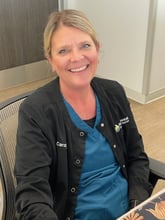 people of Northwest Indiana. For the first 15 years of her nursing career, Caroyln worked as a Labor & Delivery nurse assisting mothers as they delivered a generation of babies in the Region. As a wife and mother herself, Carolyn showed each family the care and compassion she knew they needed as they brought a new life into the world.
Then, about 10 years ago, things changed when someone very close to Carolyn was diagnosed with cancer. Her loved one had a successful treatment and recovery, but Carolyn saw firsthand the toll a cancer diagnosis can take on an individual and a family. That motivated Carolyn to shift her career. She worked a year in ICU before completing the transition to working as an Oncology Nurse at Northwest Cancer Centers. She has spent the last decade caring for thousands of patients as they go through what are often complicated and exhausting treatments. She is always there to not only provide medical care for her patients, but to comfort them, help them through side effects and whatever else they need. Her patients love her as is evidenced by the drawer full of cards she keeps from patients and families whose lives she's touched!